
The Future of Sustainable Architecture
Exploring how passive design strategies, renewable materials, and biophilic principles are shaping the next generation of buildings.
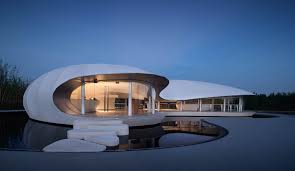
Building for Tomorrow
Sustainable architecture is no longer a niche specialty — it is becoming the standard. As climate concerns intensify, architects are rethinking every aspect of the design and construction process.
Passive Design
Passive design strategies work with the local climate to maintain comfortable indoor temperatures without mechanical systems. Orientation, thermal mass, natural ventilation, and shading are fundamental tools that reduce energy consumption by up to 60%.
Materials Matter
From cross-laminated timber to low-carbon concrete, the choice of materials has a profound impact on a building's carbon footprint. Increasingly, architects are specifying materials that sequester carbon, are locally sourced, and can be recycled at end of life.
Biophilic Connection
Biophilic design reconnects occupants with nature through natural light, indoor plants, water features, and organic forms. Research shows this connection improves wellbeing, productivity, and creativity.
At TOUD, we integrate these principles into every project — because sustainable design is not just about the environment, it's about creating better places for people.